





STRIKING DESIGNS 1995

Whether you’re building your first startup, expanding your enterprise,
or exploring Malaysia’s dynamic business landscape — SD1995 brings you insights,
trends, and practical strategies to help your business thrive.

DIVE INTO THE TRENDS

Discover what matters most to businesses and professionals in Malaysia. From expert insights and lifestyle trends to the latest in technology, explore topics that help you stay informed, inspired, and ahead of the curve.

Business & Professional Services

Discover insights and strategies to help your business grow in Malaysia’s competitive market. From digital marketing and printing solutions to corporate venues and service providers, explore how local businesses are shaping the future of commerce.

View →

Lifestyle & Local Living

Experience the vibrant side of Malaysian living — from delicious food spots and nightlife to home inspirations and everyday essentials. Dive into stories that celebrate Malaysia’s lifestyle, culture, and creativity.

View →

Innovation & Technology

Stay ahead with the latest trends in technology, aesthetics, and modern workspace solutions. Learn how innovation and forward-thinking ideas are transforming industries and redefining success across Malaysia.

View →

INSPIRE WITH FRESH IDEAS

Unlock the creativity behind Malaysia’s most innovative businesses. From digital trends to brand storytelling, we explore the insights and inspirations that drive local entrepreneurs toward success.

LEAD WITH BALANCE AND VISION

Find success that feels right. Explore how today’s Malaysian professionals are leading with clarity, purpose, and balance — combining ambition with well-being to create a more sustainable path to growth.

Recent Posts

  • Stroke Care in Malaysia: Rehab, Bedridden Support, Next Steps

    Stroke Care in Malaysia: Rehab, Bedridden Support, Next Steps

    The first week after discharge is a planning problem

    A stroke can turn a family’s week upside down even when the hospital stay went as well as anyone could hope. One day there is a ward routine and a named doctor. The next day someone is home, or about to be, and relatives are trying to work out who will help with walking, swallowing, medicines and the bathroom. It is not a single decision between “fine now” and “needs a facility”. It is a list of tasks that have to be covered every day.

    This piece is about that list. It does not claim that any programme will reverse a stroke or treat cancer. It looks at the support families in Malaysia often need after hospital: rehabilitation, care if someone is mostly in bed, and practical help when cancer treatment is also part of the picture.

    What stroke rehabilitation actually involves

    The World Health Organization’s fact sheet on stroke describes rehabilitation as a core part of recovery, starting once the person is medically stable, ideally within the first few days. The work is multidisciplinary. Physiotherapy focuses on movement, strength, balance and coordination. Occupational therapy helps with daily tasks such as dressing, bathing and eating. Speech and language therapy covers communication and swallowing. Cognitive and psychological support may also be needed, because memory, mood and judgement can change after a stroke.

    None of that happens only in a hospital gym. After discharge, the same kinds of work may continue at home, in an outpatient clinic, or in a residential setting with nursing cover. Families comparing options can look at this overview of specialised stroke care after hospital to see how one provider groups rehabilitation, home support and residential nursing, then match that list against what the discharging team has actually recommended.

    Clinician in a white coat and maroon trousers holding a clipboard and pen beside a patient in a hospital bed, with a cannula visible on the forearm
    A written care plan from the ward is more useful than a verbal briefing you will only half remember later.

    If someone is mostly in bed, skin and turning come first

    Some stroke survivors are soon back on their feet. Others spend long hours in bed or in a chair, whether because of weakness, fatigue or a separate illness. That is when pressure damage becomes a daily risk. The NHS page on pressure ulcers, also called pressure sores explains that they often form over bony spots such as the heels, elbows, hips and tailbone, and that changing position regularly, checking the skin every day, and using suitable mattresses or cushions all help to lower the chance of sores forming.

    At home, that work falls on whoever is there. Families looking at how bed-bound nursing support is usually organised should ask, in plain terms, who turns the person, how often the skin is checked, and what happens at night. A discoloured patch that does not fade when pressed, or skin that feels warm, hard or painful, needs a clinical review rather than a wait-and-see approach.

    Support during cancer treatment is not the same as treating the cancer

    Stroke and cancer sometimes arrive in the same household, or even in the same person, and the two kinds of help are easy to mix up. Cancer treatment itself (surgery, chemotherapy, radiotherapy) stays with the oncology team. What many families need alongside that is nursing and personal support: help with meals and medicines, pain and symptom monitoring, rest for the main family carer, and a place to recover when home is not enough.

    The US National Cancer Institute’s section on coping with cancer is useful here because it treats support as practical and emotional, not as a promise of cure. It also reminds caregivers to look after themselves. A page such as ECON Healthcare’s outline of nursing and respite support during cancer care should be read in that light: as a description of comfort, nutrition and daily help, not as a cancer treatment plan.

    The UK Stroke Association explains what a stroke is and how life afterwards can change (about 3 minutes).

    Questions to take to the next care meeting

    Before the next meeting with the hospital team or a care provider, write down what a typical day now looks like: who helps, at what hour, and where the gaps are. Ask how rehabilitation will continue after discharge, who reviews swallowing and medicines, and what the plan is if the person cannot be left alone at night. If bed care or cancer support is also in the picture, ask who owns those tasks so they do not fall through the cracks. Keep the person receiving care in the discussion while they are able to speak for themselves. Aim for a week that the household can actually run, not a brochure that looks tidy.

  • Breast Implant Removal: Vocabulary, Capsules and Related Procedures

    Breast Implant Removal: Vocabulary, Capsules and Related Procedures

    Implant removal is a different conversation from augmentation

    People search breast implant removal for many reasons: lifestyle change, capsule problems, rupture concerns, preference for a smaller size, or simply deciding the implants no longer fit their life. The procedure is not “augmentation in reverse” with a neat mirror image of the original surgery. Soft tissue that stretched to host an implant behaves differently once the volume leaves.

    a clinic explainer on taking implants out is a starting vocabulary sheet. This article stays informational for readers comparing UK and Malaysian clinic explanations; it is not a recommendation to operate, and it does not quote prices as promises.

    Suitability, timing and technique belong with a qualified surgeon after examination and imaging where needed.

    What surgeons may remove besides the implant

    Some operations remove the implant alone. Others address the capsule of scar tissue around it, especially when the capsule is thickened, painful or associated with rupture. Terms such as capsulectomy appear often in patient education from bodies like the American Society of Plastic Surgeons implant-removal guide and the ISAPS patient page on implant removal.

    Ask what your surgeon proposes for the capsule in your specific case and why. Online forums collapse many different operations into one word, “explant,” which hides important technical differences.

    A clinician education overview of common concerns and recovery themes (general information only).

    Lift and reduction sometimes enter the same visit

    After volume leaves, some patients want skin and shape addressed in the same anaesthetic or in a planned second stage. That is why clinic menus often place notes on reshaping after volume leaves and notes on reducing volume and reshaping near removal pages. They are related conversations, not automatic add-ons.

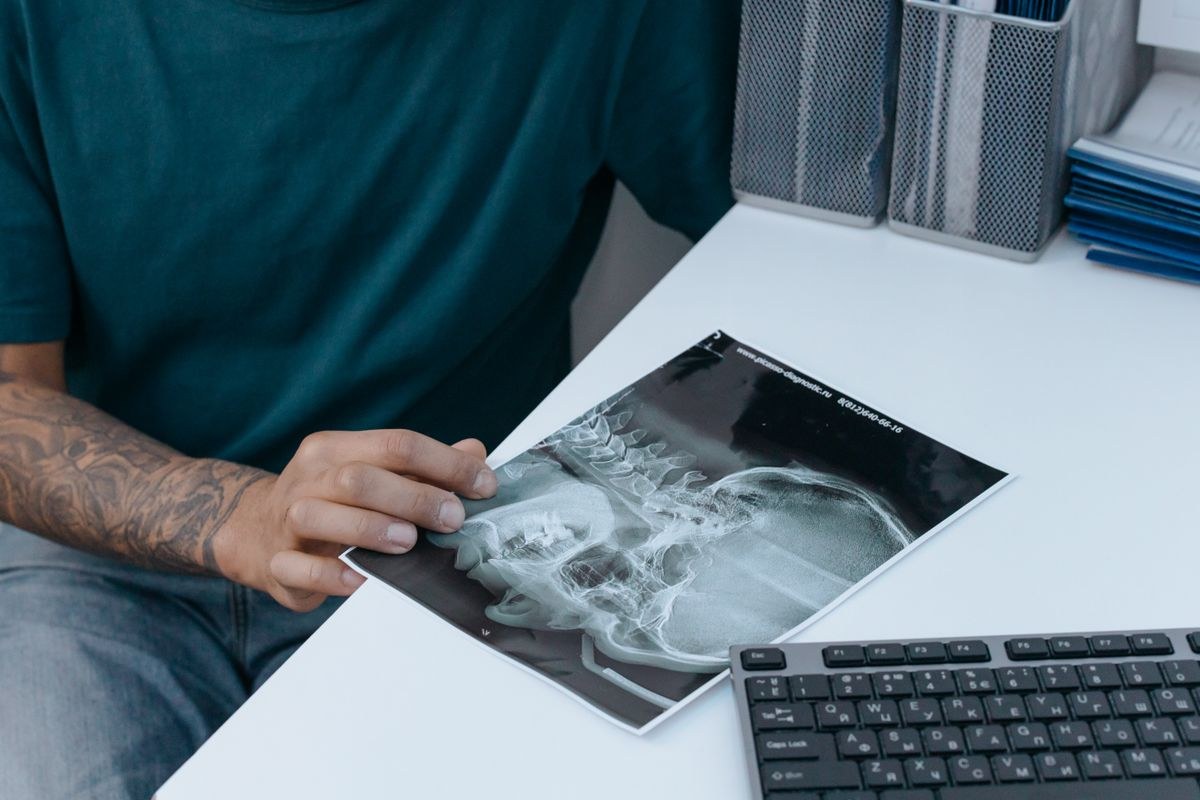
    Close-up of hands holding a medical X-ray film
    Prior imaging and operative records help surgeons plan; bring what you still have.

    Professional societies such as the British Association of Aesthetic Plastic Surgeons emphasise choosing appropriately trained surgeons and understanding risks before elective breast surgery. That caution travels across borders even when clinic branding differs between the UK and Malaysia.

    Scar patterns, nipple position and sensation changes need plain discussion. So do recovery limits for lifting children, returning to the gym and flying after surgery. Photograph boards without timelines are incomplete education.

    Preparation that actually helps

    Collect implant card details if you still have them, prior operative notes, and a symptom timeline. List medicines and smoking status honestly. Ask how complications are handled and who covers follow-up if you live far from the clinic. Price quotes without that context are incomplete.

    Be wary of marketing that guarantees a particular aesthetic after removal. Soft tissue behaviour varies. A careful consult explains ranges, not slogans.

    Travel patients comparing UK and Malaysian clinics should also map logistics: how many in-person reviews are expected, what happens if a wound concern appears after you fly home, and whether local aftercare partners exist. A low procedural quote that ignores those journeys is not automatically the economical choice.

    Emotional pacing matters. Some people feel relief the week implants leave; others feel unsettled while swelling settles and clothes fit differently. Neither reaction is wrong. Building a support person into the first fortnight is practical medicine as much as kindness.

    If breast implant illness or systemic symptom clusters are part of your reason for seeking removal, ask how the clinic documents symptoms and what they can and cannot attribute to surgery. Honest surgeons separate what evidence supports from what remains uncertain, even when that answer is emotionally harder to hear.

    Closing note

    Use procedure pages to understand vocabulary and option sets. Timing, technique and whether a lift or reduction belongs in the plan still sit with the operating surgeon after a proper consult. If you have acute swelling, fever or sudden shape change around implants, seek clinical care promptly rather than waiting on more articles.

  • Affordable Housing Malaysia: Buyer Planning Guide

    Affordable Housing Malaysia: Buyer Planning Guide

    Three Malaysia property paths buyers often mix up

    Buyers in Malaysia frequently treat affordable schemes, apartments, and commercial lots as one shopping list. They are not. An owner-occupied affordable home, a serviced apartment bought for rental yield, and a shop office for business use answer different questions about income, risk, and monthly cashflow. This piece is buyer education. It is not investment advice and it does not recommend any developer.

    Affordable housing: eligibility before brochure photos

    Federal and state programmes typically start with citizenship, household income bands, and ownership rules. Official pages such as PR1MA and housing policy material from KPKT matter more than social media unit tours. Read occupation and resale conditions carefully. Some schemes limit how soon you can sell or rent.

    Financing literacy belongs before you ballot. Bank Negara Malaysia publishes consumer guidance on responsible borrowing through bnm.gov.my. A practical personal test: if the instalment only works when you assume overtime forever, the buffer is too thin. Neutral explainers of affordable housing malaysia options often walk through scheme types and location tradeoffs without pretending every project fits every income band.

    Also confirm who must occupy the unit and for how long. Families who plan to rent out an affordable unit “for a few years” sometimes discover the scheme rules do not allow that path.

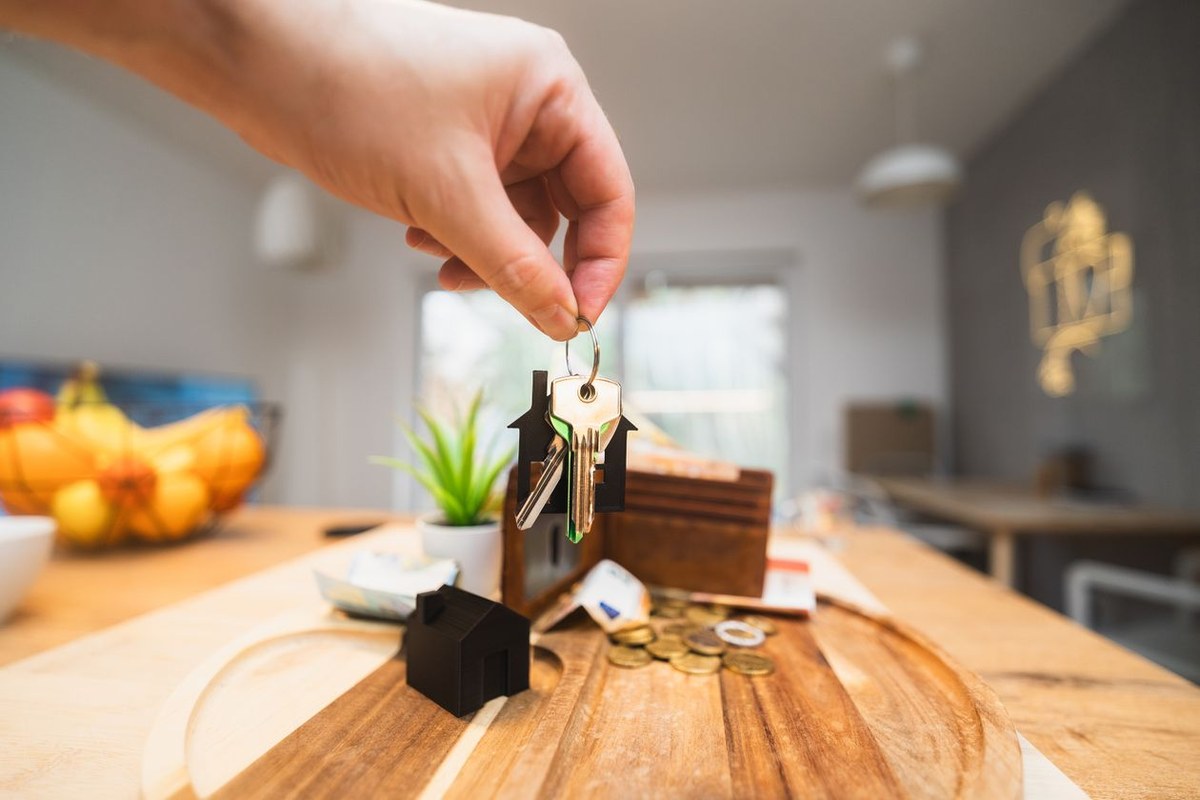
    Hand holding house keys above a tray with a small house model, wallet, and coins
    Match the path to how you will use the property, then stress-test the monthly costs.

    Apartments and service apartments: costs beyond the SPA price

    High-rise living shifts expenses into service charges, sinking funds, parking, and facilities that can look impressive on launch day. Ask for the current maintenance schedule and any history of special assessments if you buy sub-sale. For new launches, clarify what is included at vacant possession.

    Liquidity differs by location and ticket size. A compact unit near transit may rent faster than a large unit in a quiet suburb, but rental markets move. When you research apartment options across Malaysia stock, separate lifestyle fit (commute, schools, noise) from spreadsheet yield assumptions. If you need the rent to cover the loan on month one, build a vacancy buffer into the plan.

    Check the strata meeting culture if you can. Buildings that postpone major waterproofing or lift upgrades quietly transfer cost risk to future owners.

    Also price the commute in ringgit and hours, not only in kilometres. A lower SPA price that adds ninety minutes of daily travel can erase the savings within a few years, especially once parking, tolls, and childcare logistics enter the sheet. Write those operating costs beside the instalment before you fall for a show unit.

    Educational walkthrough of Malaysia first-home-buyer project checks (investment-angle checklist). Confirm current scheme and bank criteria before you commit.

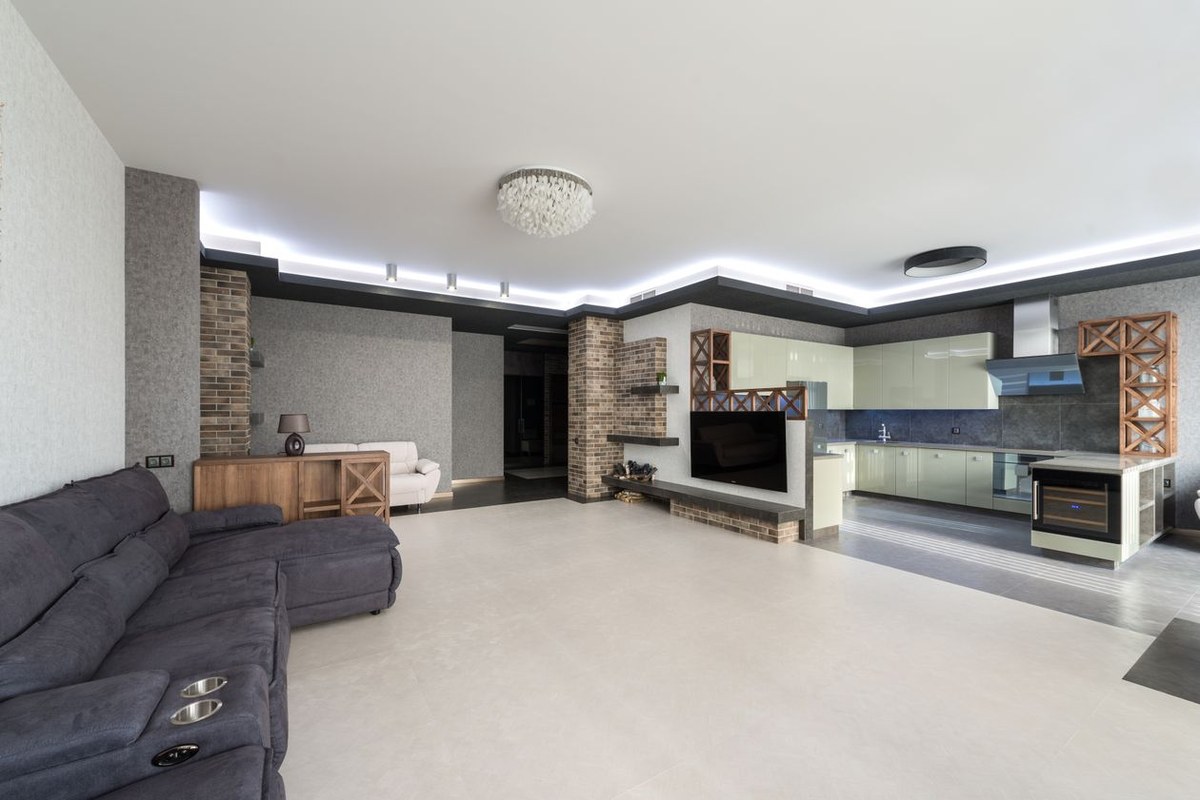
    Open-plan modern apartment with a grey sectional sofa, brick feature wall with TV, and kitchen beyond
    One page of checks beats ten saved property reels.

    Commercial property: treat it like a small business

    Shop offices and retail lots introduce tenant risk, fit-out costs, licensing, and quieter cash months. A grounded guide to commercial property investment mindset asks who the next tenant would be if the first lease ends early, and how long you can carry empty rates and service charges. Compare comparable rents on the same stretch of road, not only launch-day projections.

    Separate owner-operator use (you run the business downstairs) from pure investment. Owner-operators can accept different returns because the space supports their trade. Pure investors should underwrite vacancy as a normal year, not a rare accident.

    Ask for a three-year vacancy history on comparable lots within a few hundred metres, not only the agent’s favourite success story. If the stretch depends on one anchor tenant, model what happens when that tenant leaves. Commercial homework is slower than residential browsing, and that is the point.

    A month of grounded homework

    List three properties maximum. For each, write purchase price, estimated monthly outflow, scheme constraints if any, and your exit story in one sentence. Soft planning question: if your income dropped 20% for six months, which of the three paths still lets you sleep?

“Finding balance changed the way I lead and live. It’s not just about working harder, but working smarter — with clarity and purpose guiding every step.”

Alex Tan, Entrepreneur

Reader, Mdinight Retreat

A STORY WORTH SHARING

Behind every business is a journey of passion, growth, and discovery. From local startups to industry leaders, we bring you inspiring stories that shape Malaysia’s dynamic business scene.

JOIN OUR COMMUNITY TODAY

Read our blog

Stay updated with the latest trends, tips, and insights from Malaysia’s growing business and lifestyle scene. Discover stories that inspire, inform, and keep you ahead in the ever-changing market.

Read our Blogblog →

CONTACT US

Have questions, ideas, or stories to share? We’d love to hear from you. Reach out to our team and let’s connect to explore Malaysia’s business and lifestyle landscape together.

hello@sd1995.com